


CREATING YOUR GARDEN
From tiny seeds grow amazing things
Step-By-Step
Our easy step-by-step guide can be used as a programme of activities which fits around your curriculum with each step becoming a lesson in itself.
How to Start a School Garden
1. Get Talking!
In your group, talk about what you want to achieve. Do you want to grow beautiful flowers that you can harvest seed from, do you want to grow organic vegetables to eat, do you want to create a biodiverse space for wildlife, could you create a wetland area? These are all things to think about before deciding on your space. And don't forget, you don't need an actual garden to get gardening, lots of fabulous things grow in pots and window boxes!
2. Choose the right Spot!
Most plants prefer a sunny space, but if you are looking to create homes for bugs, make sure you have some shade too! Other things to think about include making sure it won't be disturbed, beautiful flowers can get damaged by footballs for example.
3. Plan Your Garden
Now you know what you want to grow and where you want your garden to be, it's a good idea to draw a detailed plan. Think about where the light and shade is and decide where each plant will go. Also think about where you will store seedlings and tools. Maybe a small storage box is needed, perhaps there is a chance to raise some money to buy a little shed (check out our fundraising tips below!).
4. Gather Your Tools
Make a list of what tools you will need. As part of our 'Schools Gardening Initiative' we provide the basics to get you started: compost, gardening gloves, watering can, trowel, plant labels and seeds. You may want to think about other things you will need and see if any parents or grandparents have anything else they can donate such as seed trays, pots and extra tools.
5. Prepare your Space
Once you have decided on your spot, and drawn out your plans, its time to get preparing. If you already have a patch of soil or an existing flower bed you can use then you will need to prepare the soil. Pull out weeds, remove stones, and loosen the soil with your tools so roots can grow easily.
If you are starting from scratch, you will need to dig out a space or create a raised bed (we highly recommend using pallet collars which you can buy from any pallet company for less than £10 or ask nicely and they might just donate one). Check out Jack's 'how-to' video on our YouTube Channel.
6. Plant the Seeds or Seedlings
There are a few ways to get your plants started. Direct sowing your seeds is the easiest way but some seeds need to be germinated in warm conditions first. Depending on the type of seed and time of year you are sowing, you may need to create a greenhouse-like environment and we will show you how you can do this using a small takeaway tray or fruit punnet and a sandwich bag!
7. Care for Your Plants
Looking after your plants as they grow is a very important job! We will send you instructions with your seeds but you can also research your plants and write some instructions to follow. Watering, pulling up weeds, watching out for slugs, pruning and cutting are all essential steps. Don't forget, cut flowers love to be cut! It sounds simple but the more you cut them the more they grow!
8. Keep a Garden Journal
Draw or write what you see each week: new leaves, flowers, insects, and changes. Make notes of what is working well and what you might do differently next time. Here, at Dilly Dally Farm, we had a practice year where we tested different plants and different ways of growing them. Some plants grew brilliantly, like our paper daisies and our sunflowers, others didn't grow very well at all! But what's important is that we learnt, changed and adapted what we were doing.
9. Celebrate your Garden!
When your plants are ready, pick flowers for the classroom or taste the vegetables together. You could host a BBQ in your garden or perhaps a fundraining silent disco in the summer.
10. Think about Next Year
Now you have learnt all about gardening, discuss your plans for the following year. What have you enjoyed, what would you do differently. What has been the best bit for you and what else would you like to add and learn next year?
Ecosystem & Biodiversity

Habitats
Creating diverse spaces like log piles and long grass provides shelter and safety for a variety of local wildlife species.

Pollinators
Bees and butterflies carry pollen between flowers, helping plants grow seeds and ensuring our garden stays vibrant and full of life.
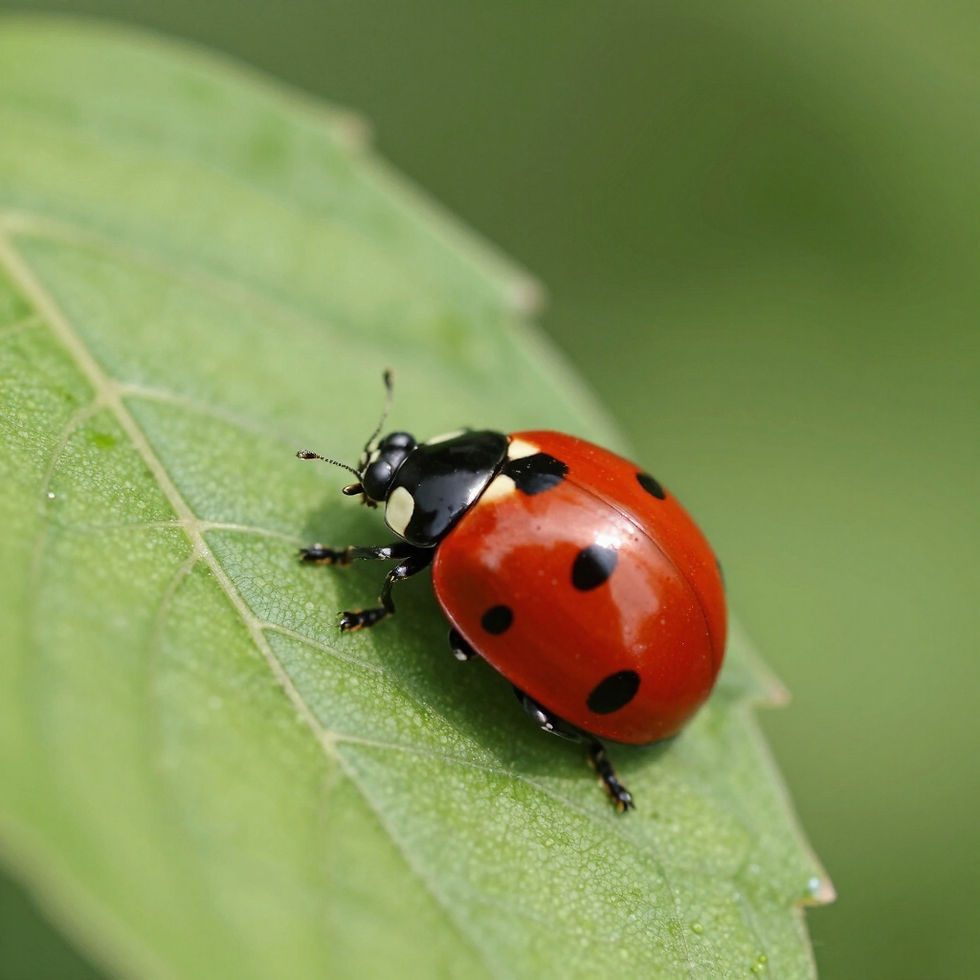
Mini-beasts
From worms to beetles, these tiny creatures keep our soil healthy and help breakdown organic matter into nutrient-rich compost.
Sustainability Tips


Water Saving
Composting
Reusing Materials
- Use rain barrels to collect water
- Water plants early in the morning
- Use mulch to keep soil moist
- Recycle fruit and veggie scraps
- Add brown material like cardboard
- Turns waste into plant food
- Turn yogurt pots into seed trays
- Use old pallets for raised beds
- Repurpose egg cartons for soil